What Is NDAA Compliance and Why Does It Matter for Mobile CCTV Systems?
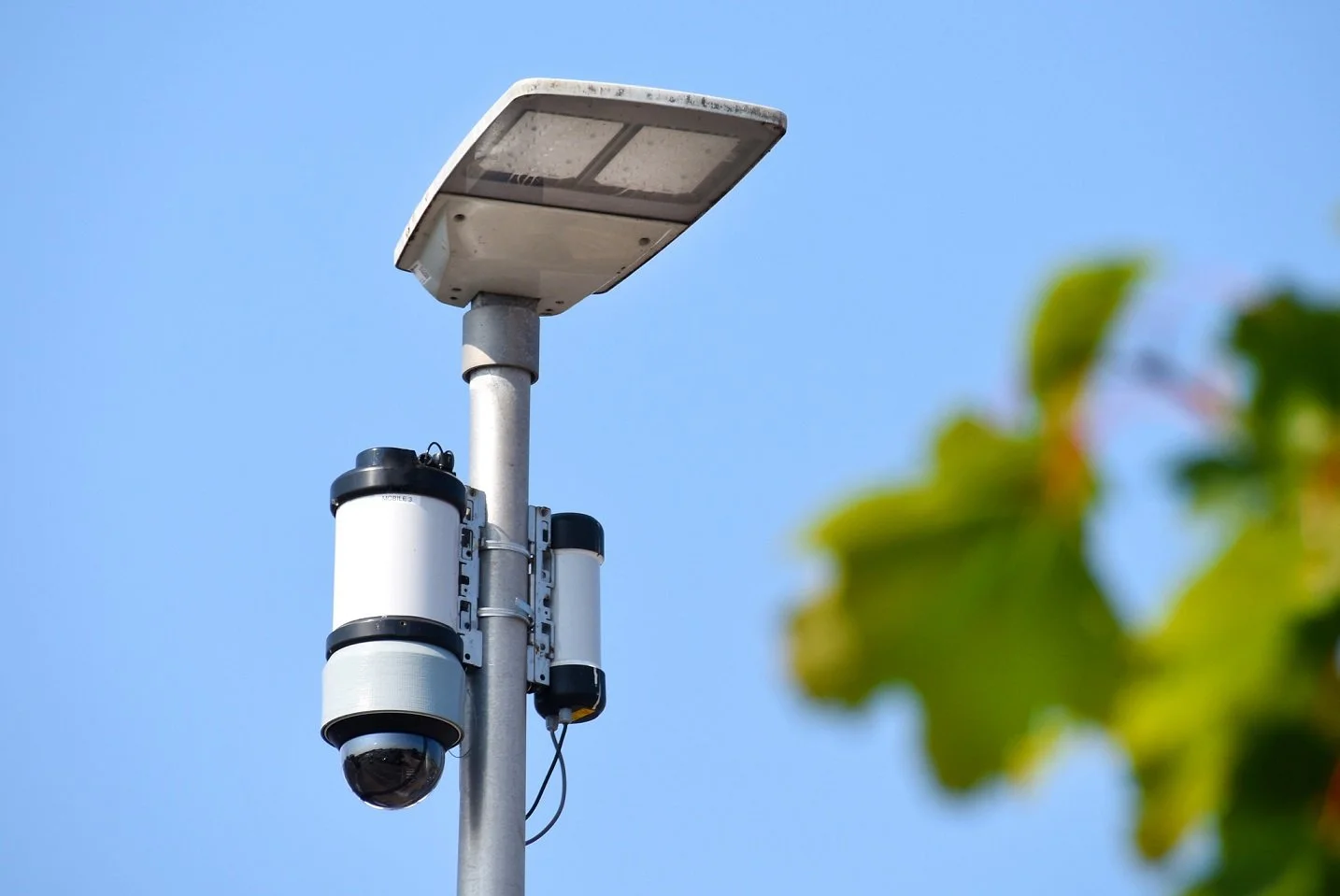
As organisations place greater emphasis on cybersecurity, infrastructure resilience and procurement transparency, demand for NDAA compliant mobile CCTV is continuing to grow.
While the term is increasingly referenced within government and critical infrastructure sectors, many organisations are still asking the same question: what is NDAA compliance, and why does it matter when selecting CCTV systems?
What Is NDAA Compliance?
As organisations place greater emphasis on cybersecurity, infrastructure resilience and procurement transparency, demand for NDAA compliant mobile CCTV is continuing to grow. While the term is increasingly referenced within government and critical infrastructure sectors, many organisations are still asking the same question: what is NDAA compliance, and why does it matter when selecting CCTV systems?
The National Defense Authorization Act (NDAA) is US legislation that includes restrictions on the use of certain telecommunications and video surveillance equipment associated with specific manufacturers, due to national security concerns. Although the legislation originates in the United States, its influence now extends far beyond the US market. Public sector organisations, infrastructure operators and security-conscious enterprises globally are increasingly reviewing surveillance procurement policies to ensure systems align with evolving compliance and supply chain requirements.
Why NDAA Compliant Security Cameras Are Becoming Increasingly Important
As a result, NDAA compliant cameras are becoming increasingly important considerations for organisations planning new surveillance deployments or reviewing existing infrastructure. For many buyers, the issue extends beyond regulation alone. Attention is now being placed on broader concerns surrounding cybersecurity, infrastructure security, supply chain transparency and long-term operational resilience.
Connected surveillance systems form a critical part of modern operational infrastructure. As organisations become more reliant on integrated security technologies, buyers are paying closer attention to where surveillance equipment originates, how systems are managed and whether infrastructure choices support future procurement requirements. This has led to growing interest in NDAA compliant surveillance solutions that can help organisations reduce procurement uncertainty while supporting long-term infrastructure planning.
In the United States, The NDAA prohibits federal agencies, contractors, and grant recipients from procuring or using certain telecommunications and video surveillance equipment from specific foreign manufacturers due to national security concerns. Organisations subject to NDAA compliance must ensure their systems do not include equipment from restricted manufacturers, as non-compliance can lead to loss of US federal funding and contract termination. As of 2026, the NDAA has expanded its scope to include additional sectors, such as drones and AI systems, and has increased scrutiny on supply chain security.
The UK Policy Environment and Video Surveillance
While the NDAA is a US law, similar concerns around surveillance security and supply chain resilience are increasingly shaping the UK policy environment as well. In recent years, the UK Government has introduced restrictions on the use of certain surveillance equipment within sensitive government sites following security reviews into connected visual surveillance systems.
As a result, public sector organisations, critical infrastructure operators and security consultants across the UK are paying closer attention to CCTV procurement decisions, particularly around cybersecurity, supply chain transparency and long-term infrastructure resilience. Although there is currently no direct UK equivalent to the NDAA, the wider direction of travel is clear: trusted, interoperable and security-conscious surveillance infrastructure is becoming an increasingly important part of procurement strategy.
Future-Proofing Surveillance With NDAA Compliant Mobile CCTV
This shift is also encouraging many organisations to review existing surveillance systems and consider whether future deployments should prioritise NDAA compliant mobile CCTV and trusted surveillance technologies that align with evolving operational, procurement and policy expectations.
The conversation around NDAA compliance is also influencing how consultants, integrators and public sector buyers approach future-proofing surveillance infrastructure. Increasingly, organisations are seeking surveillance solutions that combine compliance, interoperability and operational flexibility without compromising existing system integration.
For organisations operating within public sector frameworks, transport infrastructure, utilities and other sensitive environments, understanding what is NDAA compliance is becoming an increasingly important part of organisations’ CCTV procurement strategy. Choosing trusted, interoperable and NDAA compliant mobile CCTV systems can help support a more resilient and future-ready surveillance infrastructure as operational and regulatory expectations continue to evolve.
NDAA Compliant CCTV and Flexible Deployment Options
We support a range of public sector and private organisations seeking flexible, future-ready surveillance infrastructure through providing a wide range of NDAA compliant video surveillance equipment and deployment options.
This includes our popular HALO camera platform, which can be customised using virtually any NDAA compliant camera head from a wide range of manufacturers and utilises non-China origin components, helping organisations align surveillance deployments with evolving procurement, NDAA compliance and infrastructure security requirements.
For further information, please get in touch. Our team would be happy to discuss your requirements.
Frequently Asked Questions
-
NDAA-compliant refers to video surveillance and telecommunications equipment that complies with restrictions outlined within the US National Defense Authorization Act (NDAA). In the CCTV industry, the term is commonly used to describe NDAA compliant security cameras and NDAA compliant video surveillance equipment that does not utilise prohibited components or technology associated with certain manufacturers identified within the legislation.
Although the NDAA is US legislation, demand for NDAA compliant surveillance solutions is increasing globally as organisations place greater emphasis on cybersecurity, supply chain transparency and infrastructure resilience.
-
There are several benefits associated with using NDAA compliant cameras and video surveillance systems. For many organisations, NDAA compliant mobile CCTV can help support procurement requirements, reduce supply chain concerns and improve long-term infrastructure resilience.
NDAA compliant surveillance solutions are also increasingly viewed as a way to future-proof CCTV infrastructure as regulatory expectations and cybersecurity standards continue to evolve. Public sector organisations, critical infrastructure operators and security-conscious enterprises are increasingly prioritising trusted, interoperable and security-focused surveillance technologies when planning future deployments.
-
The best way to verify whether cameras are NDAA compliant is to review manufacturer documentation, technical specifications and supply chain information carefully. Many manufacturers now explicitly identify whether their CCTV products are NDAA compliant. Organisations must assess their inventory to ensure that no equipment from the restricted manufacturers is being used, as this is essential for compliance with NDAA Section 889. Working with an experienced surveillance provider can help ensure CCTV systems align with evolving procurement, cybersecurity and operational requirements.
You can alslo cross-reference your equipment yourself against NDAA Section 889, which lists the banned manufacturers, to determine compliance.
-
NDAA compliant cameras can benefit a wide range of organisations, particularly those operating within public sector, transport, utilities, construction, critical infrastructure and high-security environments. Government organisations, consultants, integrators and enterprise security teams are increasingly adopting NDAA compliant CCTV as part of broader infrastructure resilience and procurement strategies.
However, the benefits are not limited to regulated sectors alone. Any organisation seeking trusted, interoperable and future-ready surveillance infrastructure may benefit from adopting NDAA compliant mobile CCTV cameras.